

There’s something instantly impressive about walking into a home with soaring ceilings. That open, airy feeling often comes from a vaulted or cathedral ceiling. These ceiling designs can bring a sense of luxury that flat ceilings just can’t match.
Both styles make a big impact by adding height, light, and architectural character to your home. But while they share similarities, each has its own personality. So how do you know which is right for you? Whether you’re building a new custom home or remodeling, understanding the difference between vaulted and cathedral ceilings can help you choose the perfect look for your space and lifestyle.
What Is a Vaulted Ceiling?
Any ceiling that is higher than the standard 8–10 feet and slopes or curves toward the roofline is considered vaulted. This type of ceiling design pulls in more light, creates a sense of openness and drama, and comes in a variety of types:
- Barrel Vault: A smooth, tunnel-like curve that feels both soft and grand.
- Groin Vault: Formed when two barrel vaults intersect.
- Dome Vault: A rounded, dome-shaped ceiling.
- Angled Vault: A simple, sloping style that works beautifully in contemporary spaces.
You’ll often see vaulted ceilings in open-concept living rooms and great rooms, or in primary suites, and they fit everything from a contemporary farmhouse to sleek modern homes.
How Tall Is a Vaulted Ceiling?
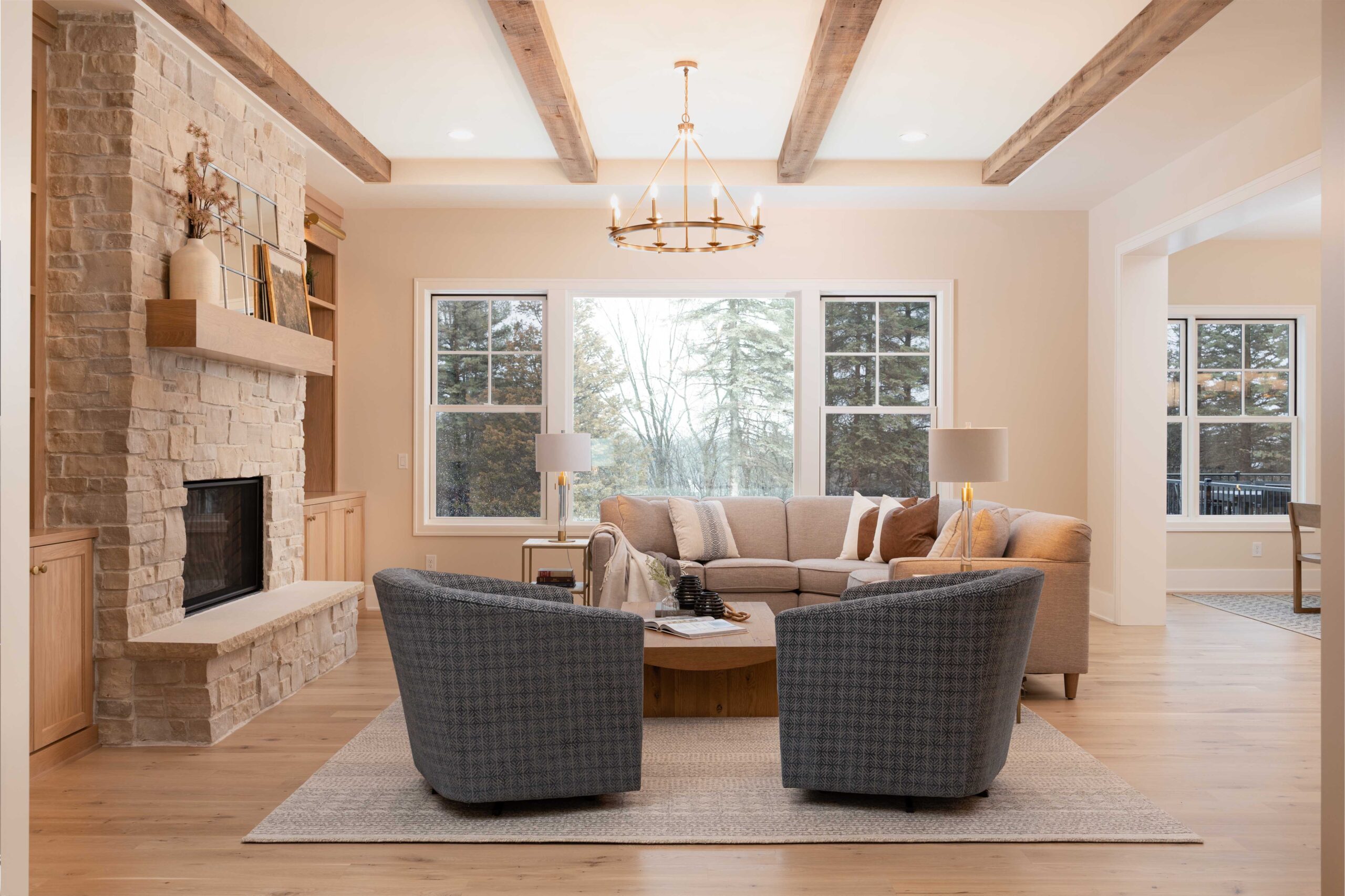
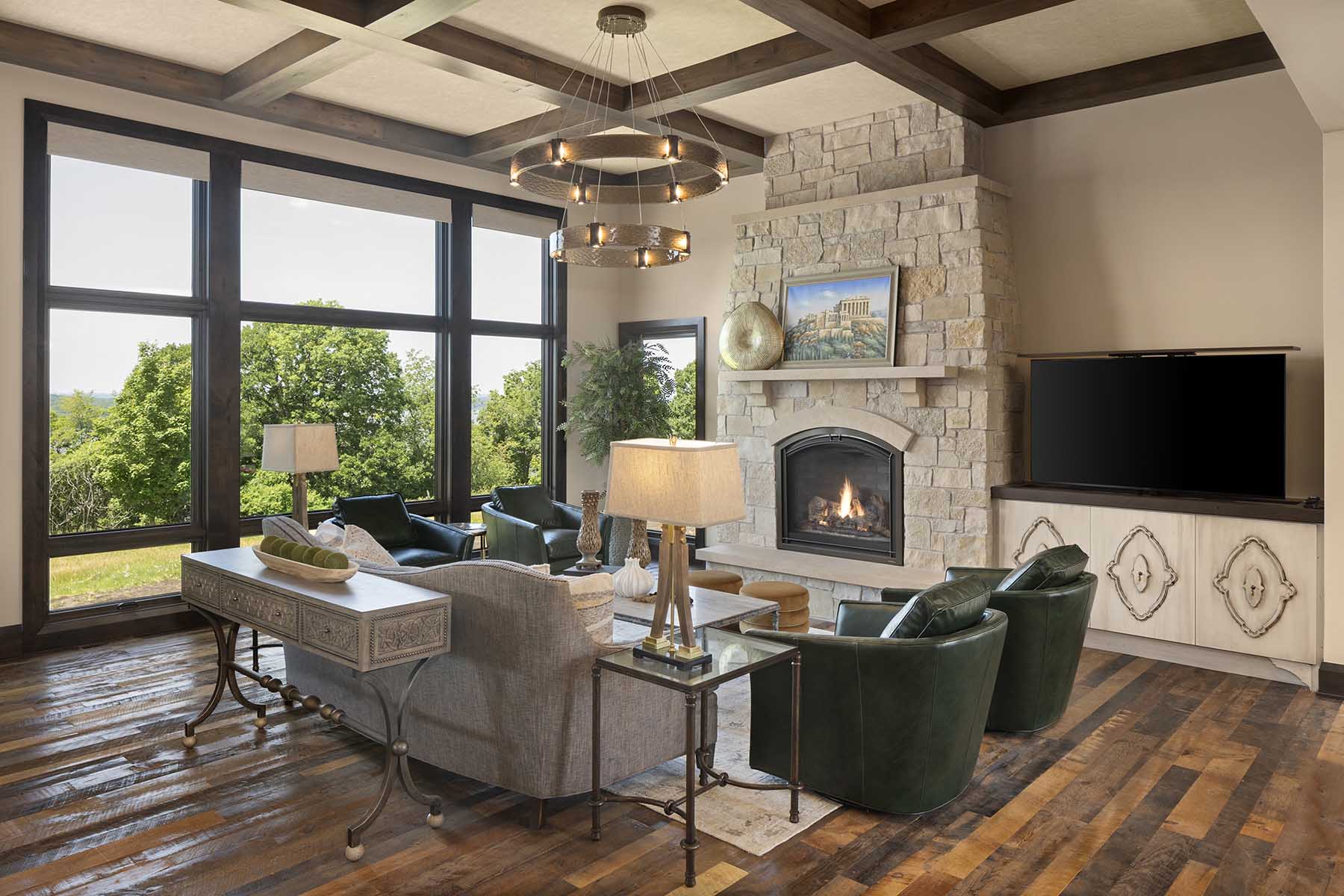
Vaulted ceilings usually start around 12 feet high and can reach 20 feet or more, depending on your home’s design. Many homeowners find 13 to 18 feet ideal since it offers a dramatic look without losing energy efficiency. Wood beams, tongue-and-groove planking, or shiplap are often added to vaulted ceilings for warmth and texture.

What Is a Cathedral Ceiling?
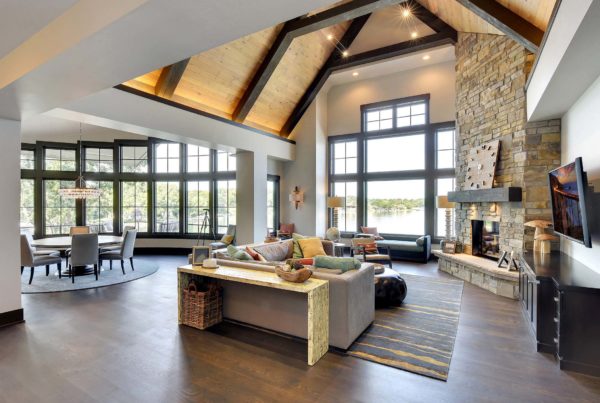
Often confused with a vaulted ceiling, a cathedral ceiling is actually a vaulted ceiling but with equal symmetrical slopes that meet in the middle along a central ridge. This type of ceiling structure can bring balance and timeless beauty to a great room and is often paired with exposed trusses or wood beams for a look that blends old-world craftsmanship with modern luxury.

How Tall Is a Cathedral Ceiling?
Cathedral ceilings usually peak between 13 and 20 feet, depending on the roof’s pitch. The big difference is that the slopes mirror each other perfectly. To make the most of this height and symmetry, windows are often added near the peak to flood the room with sunlight.
The Benefits of a Tall Ceiling
Regardless of the type you prefer, adding a vaulted or cathedral ceiling to the design of your custom home has many advantages including:
- More Space and Light: High ceilings allow for larger windows, which can help make any room feel bigger, brighter, and more inviting as natural light floods in.
- Wow Factor: Vaulted or cathedral ceilings turn any space into a showpiece, especially when large chandeliers and wood beams are added to draw the eye upward.
- Better Air Circulation: Add a ceiling fan and you instantly improve airflow and regulate swinging temperatures—a necessity during Minnesota’s changing seasons.
- Increased Home Value: Tall ceilings are a top priority when purchasing a luxury home, so this feature translates into long-term value.
Reach New Heights With Highmark Builders
At Highmark Builders, we specialize in creating homes that balance striking architecture with everyday comfort. If you’re ready to explore ceiling styles that elevate your home’s design and value, schedule a consultation today.
For more kitchen inspiration, check out our kitchen design photo gallery.